Product
What comes out?Raw biogas cleaned to a saleable fuel, plus the digestate stream. Both are products; a plant that treats the second one as waste has thrown away a revenue line.
Upgrading to CBG
5Cleaning and compressing raw biogas to the IS 16087 spec that makes it saleable — and the methane you lose doing it.
What is CBG?sourced
Compressed Biogas is raw biogas that has been cleaned of CO2, H2S and moisture to at least 90% methane, then compressed to about 250 bar so it can be used like CNG. Meeting the Indian standard IS 16087 is what makes it CBG rather than upgraded biogas.
What is the difference between biogas, biomethane and CBG?sourced
Biogas is the raw 50-70% methane gas from the digester. Biomethane is biogas upgraded to above about 90% methane. CBG is Indian-standard biomethane compressed to roughly 250 bar for sale. Bio-CNG is a common synonym for CBG.
Is CBG the same as CNG?sourced
Chemically they are nearly identical - both are mostly methane - so CBG runs in the same vehicles and the same networks as CNG. The difference is origin: CBG is renewable and made from waste, which is what earns it a blending mandate and a policy price.
What purity must CBG reach to be sold?sourced
It must meet IS 16087 - methane above 90% - plus limits on moisture, H2S, CO2 and inerts, so it performs like natural gas in the same equipment. Meeting the BIS specification is a legal precondition for commercial sale, not a quality preference.
Why is CBG compressed to 250 bar?sourced
Compression to about 200-250 bar packs enough energy into a cascade or cylinder to be transported and dispensed like CNG. Under SATAT the delivered price assumes CBG compressed to 250 bar and delivered in cascades to the retail outlet.
Digestate & co-products
3FOM, LFOM, PROM, biochar and biogenic CO2 — the half of the output that is not gas, and pays for a lot of the plant.
What is digestate?sourced
Digestate is the nutrient-rich material left after the microbes have taken the biogas out. Processed, it becomes organic fertiliser - solid Fermented Organic Manure (FOM) or Liquid FOM (LFOM) - and it returns carbon and nutrients to the soil the feedstock came from.
Is a CBG plant only about gas?sourced
No. Every tonne of biogas leaves digestate behind, and selling it as FOM or LFOM is essential to plant economics rather than a bonus. A plant modelled on gas revenue alone is usually modelled short.
What is FOM, and how is it different from raw digestate?sourced
Fermented Organic Manure is the solid, standardised fertiliser product made from digestate; raw digestate is the wet effluent leaving the digester. FOM has to meet Fertiliser Control Order specifications before it can legally be sold as manure.
The blocks
Full catalogue, all figures ->6 of the pieces you can put on the canvas belong to this stage. Every figure behind them is the one the simulator runs on, and each card says what the block takes in and what it hands on.
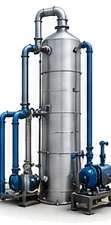
Pressurised water absorbs CO2, leaving CH4-rich gas at >95% purity.
TAKES RAW BIOGAS · MAKES RAW BIOGAS
- Outlet methane purity
- 96
- Methane recovered across the skid
- 97%
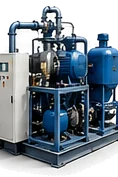
Compresses purified gas to 250 bar - the C in CBG.
TAKES RAW BIOGAS · MAKES CBG
- Compression efficiency
- 98
- Methane density at STP
- 0.717 kg/Nm³
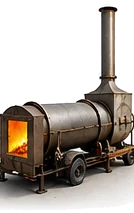
Slow-pyrolyses dried digestate solids into biochar at 450-600°C.
TAKES DIGESTATE · MAKES BIOCHAR
- Biochar yield, dry basis
- 30
- Carbon credit on the char
- -20 gCO₂e/MJ
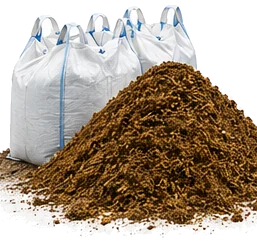
Fermented organic manure. Stabilised digestate sold as soil amendment.
TAKES DIGESTATE · SINK
- Digestate as a fraction of feed mass
- 22%
- Moisture in the digestate
- 30%
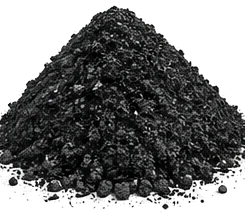
Stable carbon. Sold as soil amendment or carbon credit.
TAKES BIOCHAR · SINK
- Default sale price
- ₹21/kg
- Carbon credit on the char
- -20 gCO₂e/MJ
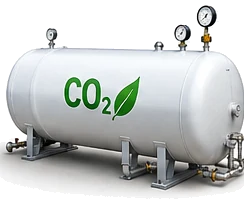
Polished CO2 sold to beverage, greenhouse, and food-processing markets.
TAKES RAW BIOGAS · MAKES CO₂
- CO₂ recovered to food grade
- 85%
- CO₂ density at STP
- 1.98 kg/Nm³
Sourcing sits beside these blocks as it is verified — vendors, capacities and indicative lead times, kept separate from the modelled figures and labelled whenever a link is paid. Supply this equipment?
Answers come from this site's reviewed question bank and cite the entry they came from. Press / to focus. Not investment advice.